nelle mappe
Everything, absolutely everything, is political, and art cannot be separated from life (mental health, books, academia, nationality, press…). The intention is to tell stories in order to find connection, transforming personal drama into something collective.

Franz Marc, Kandinsky, Malevič y seguramente otros en algún momento, afirmaron que el arte no debería mezclarse con la política — pero en realidad todo, absolutamente todo, es político.
Franz Marc, Kandinsky, Malevič, and certainly others at some point asserted that art should not mix with politics — but in reality everything, absolutely everything is political.
Franz Marc, Kandinsky, Malevič e sicuramente altri, in qualche momento hanno affermato che l’arte non doveva mescolarsi con la politica — ma in realtà tutto, assolutamente tutto è politico.
su google maps e l’accademia della crusca
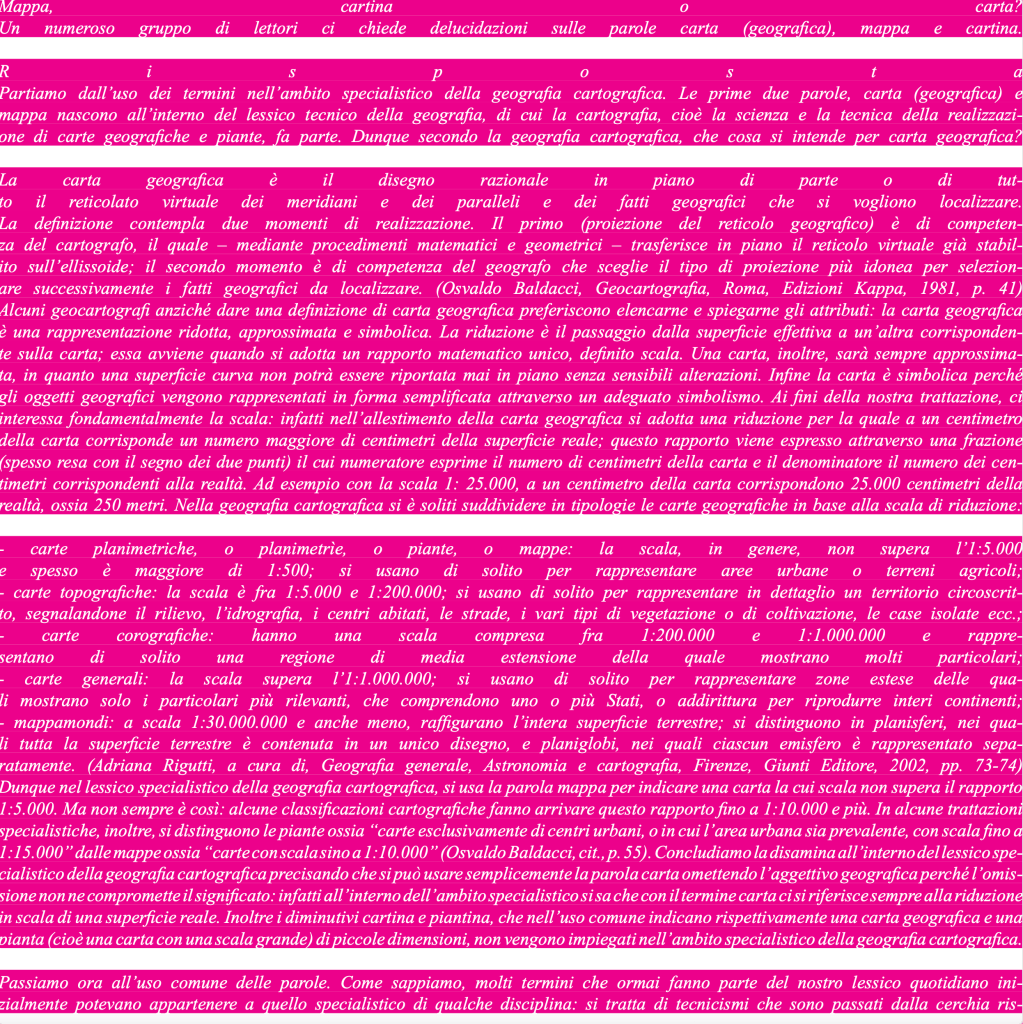
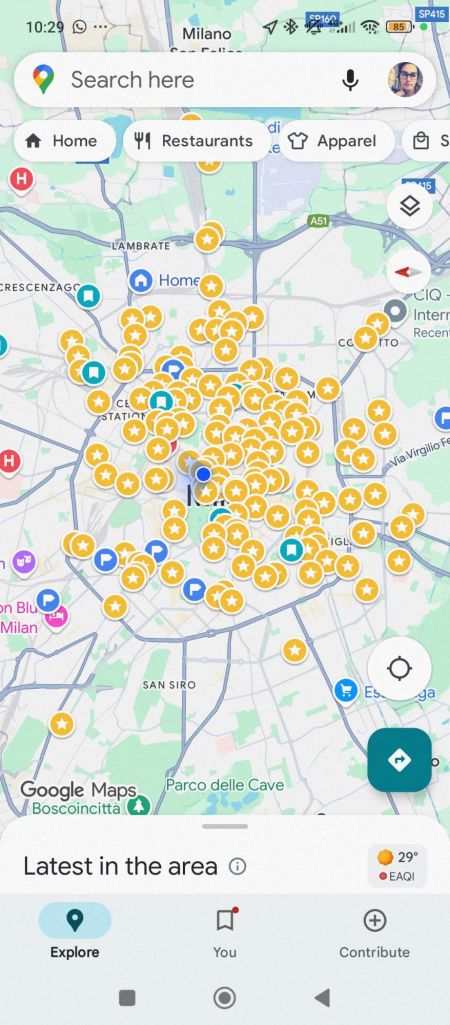

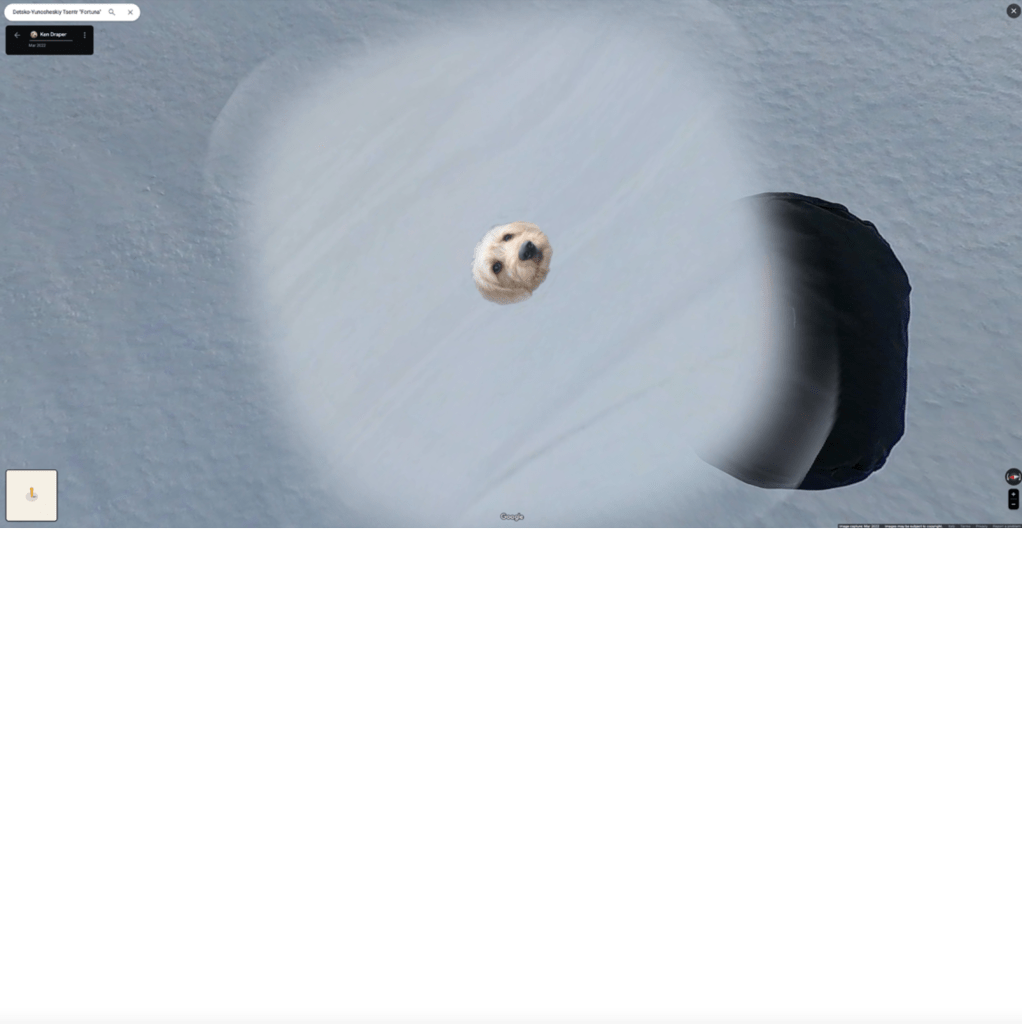


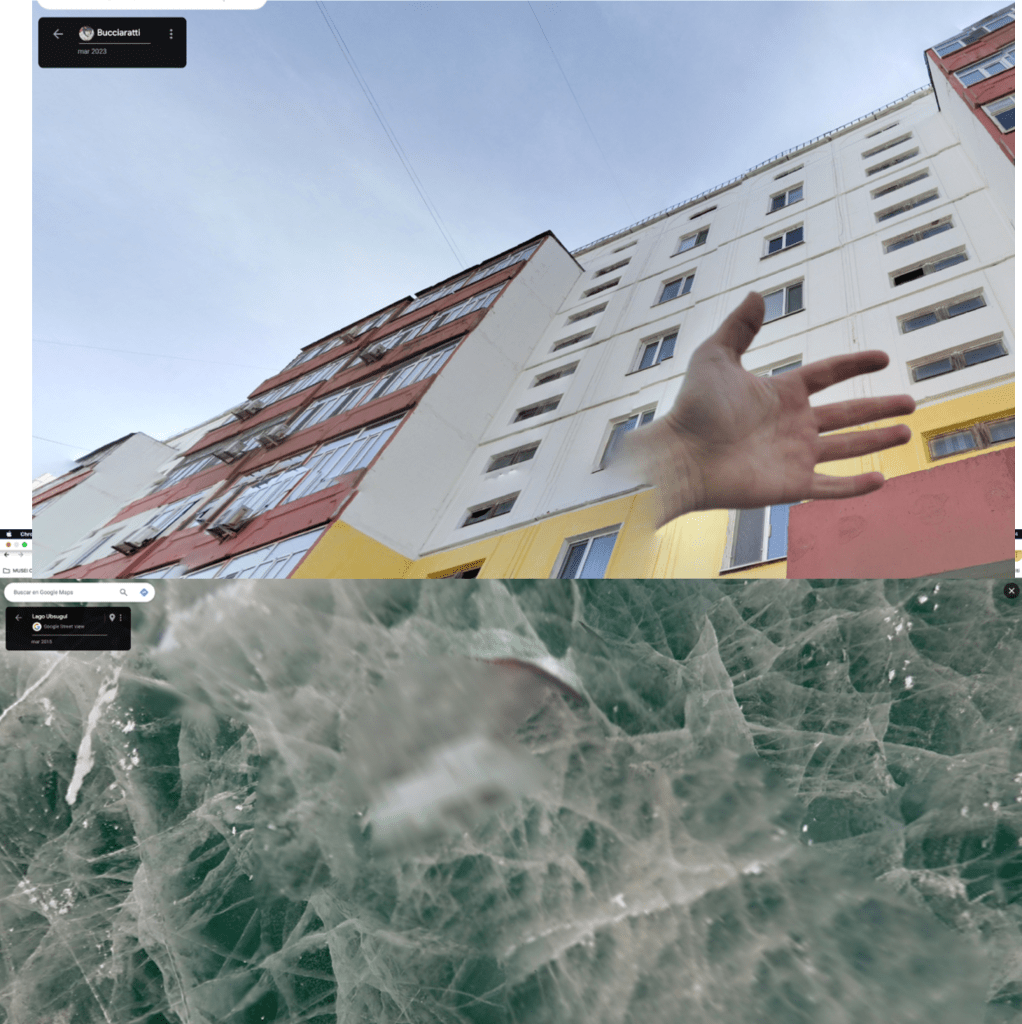
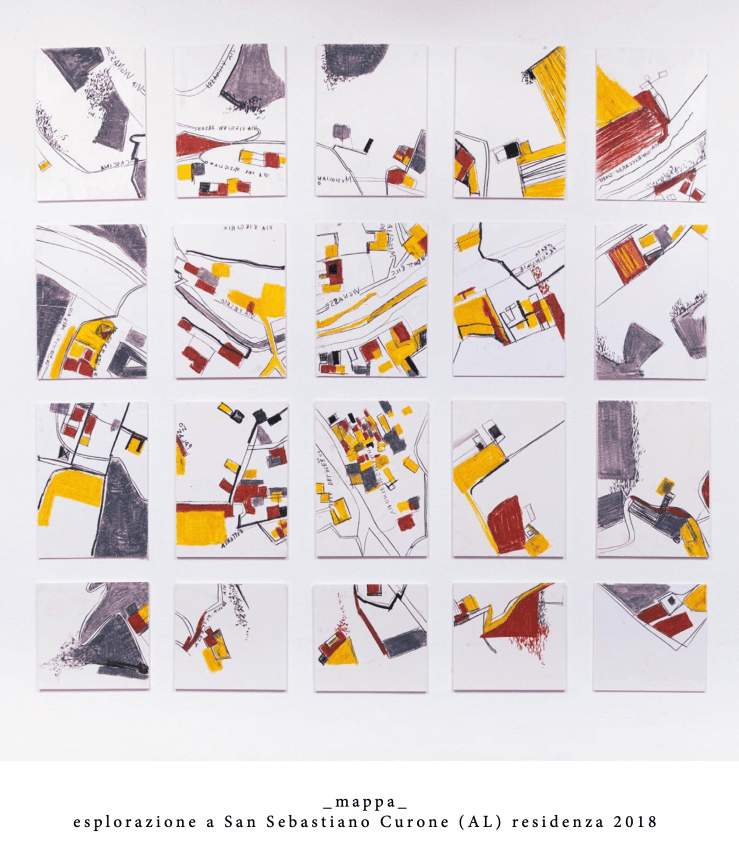
mappa = spazio
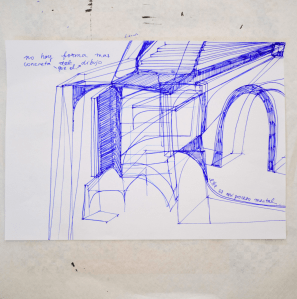
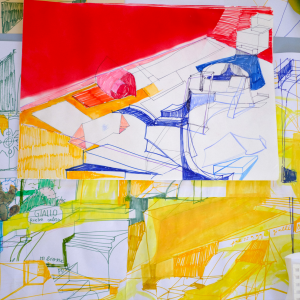
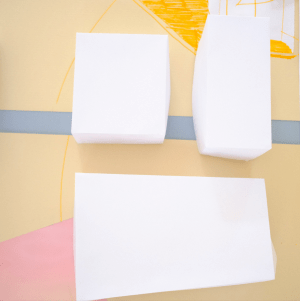
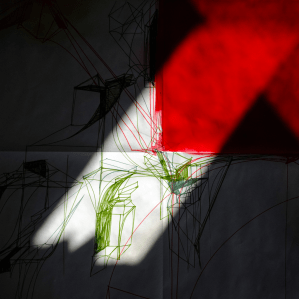
digitale | disegni | naive 3D da una foto.


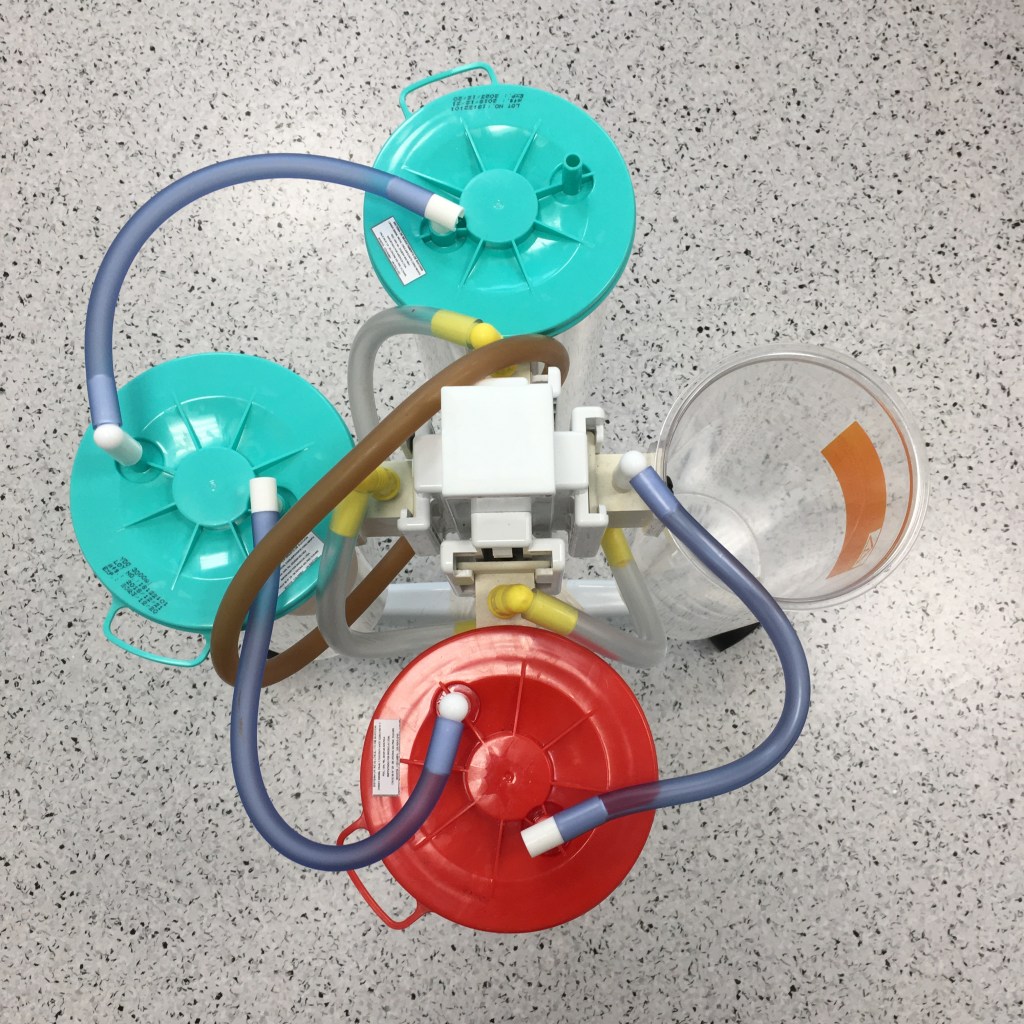
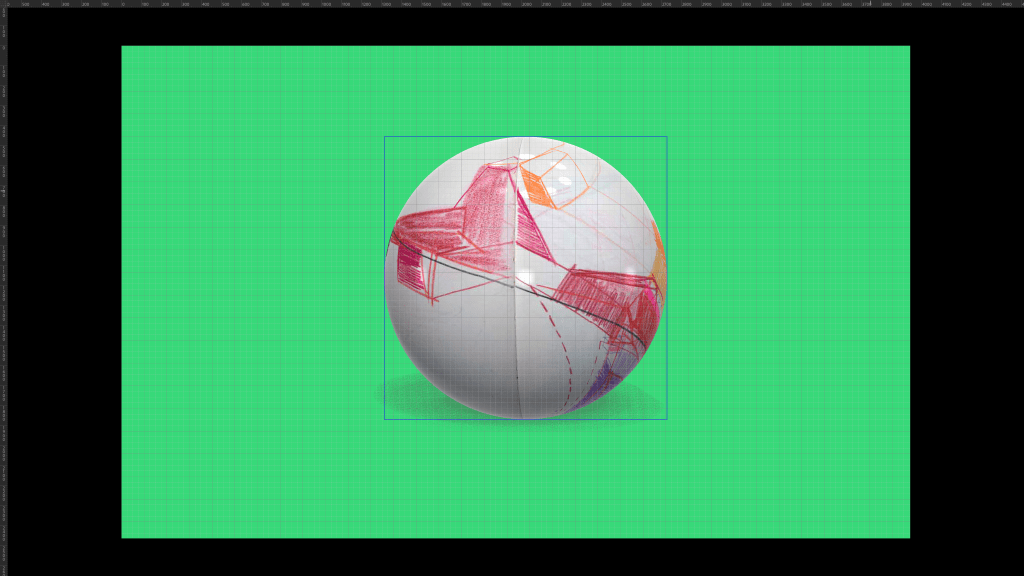
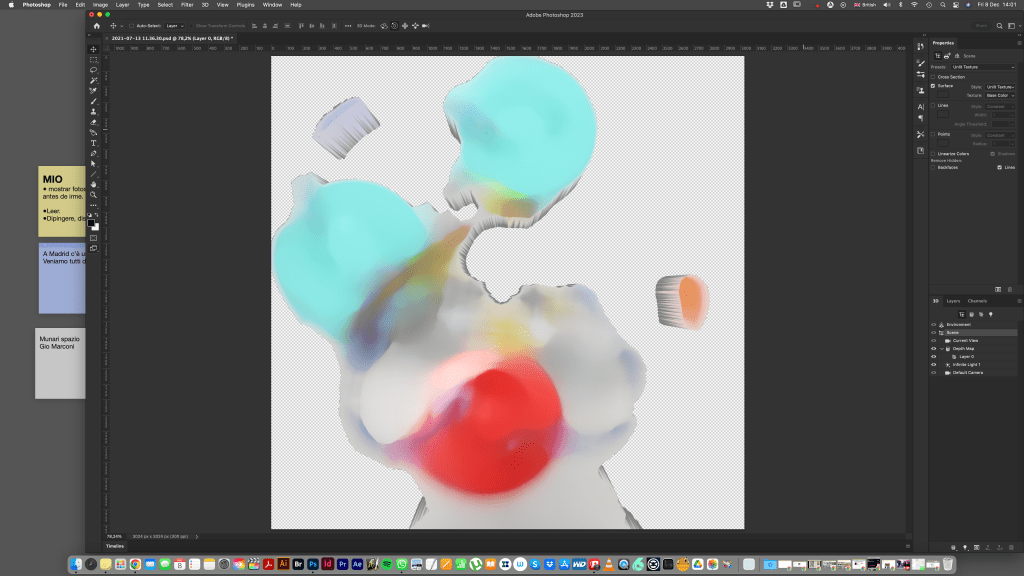


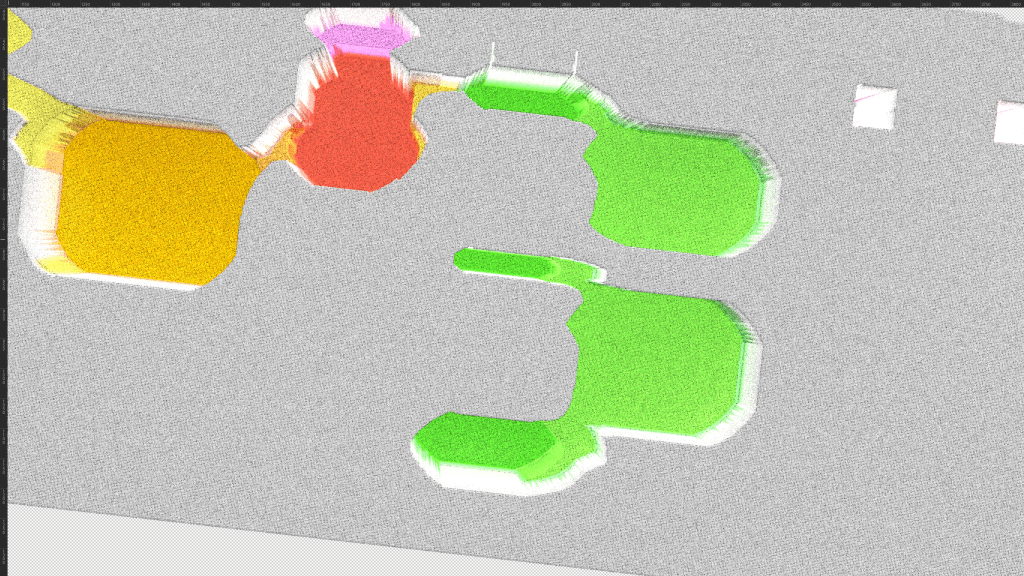
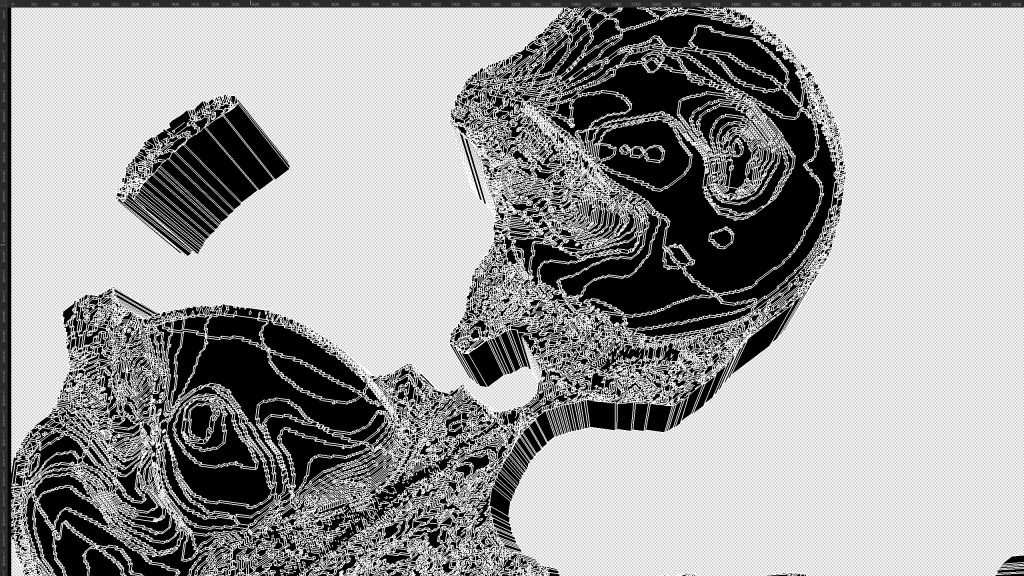


una settimana in Sicilia , una mia mappa, alla fine raccontano sempre me stessa.

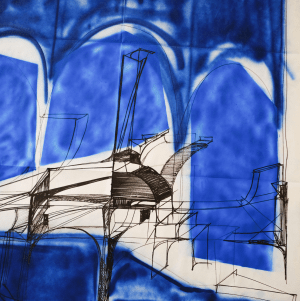

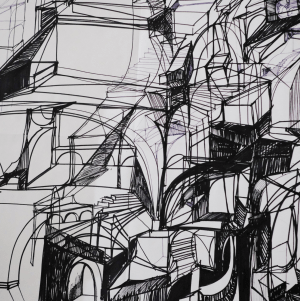
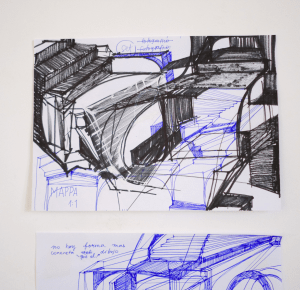

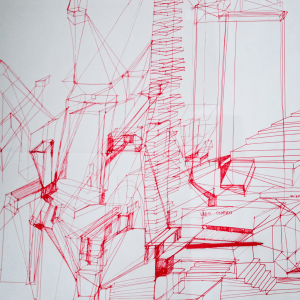
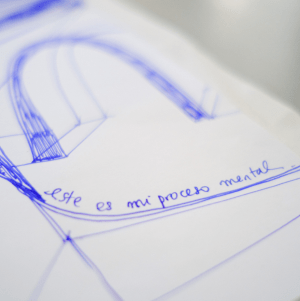


_mappa
video

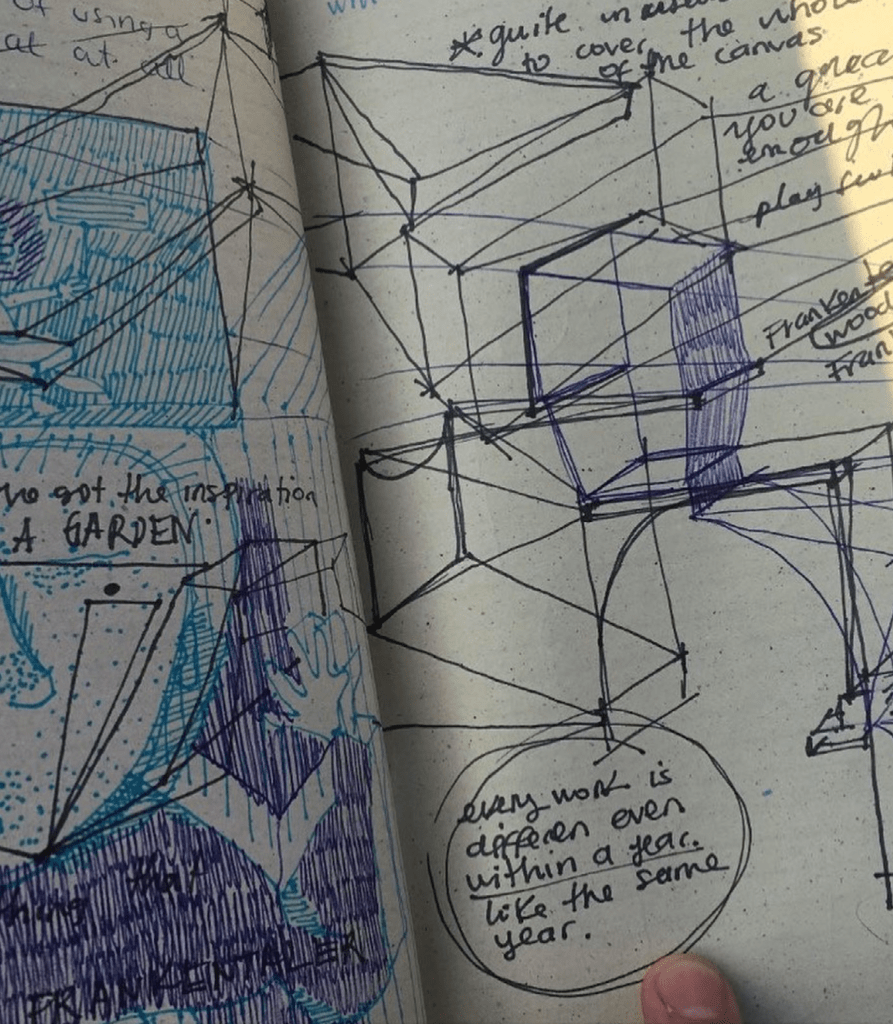
Snapshots del primo giorno in città.
installazioni, a volte sono più interessanti le foto che la città e la città è un gioco.

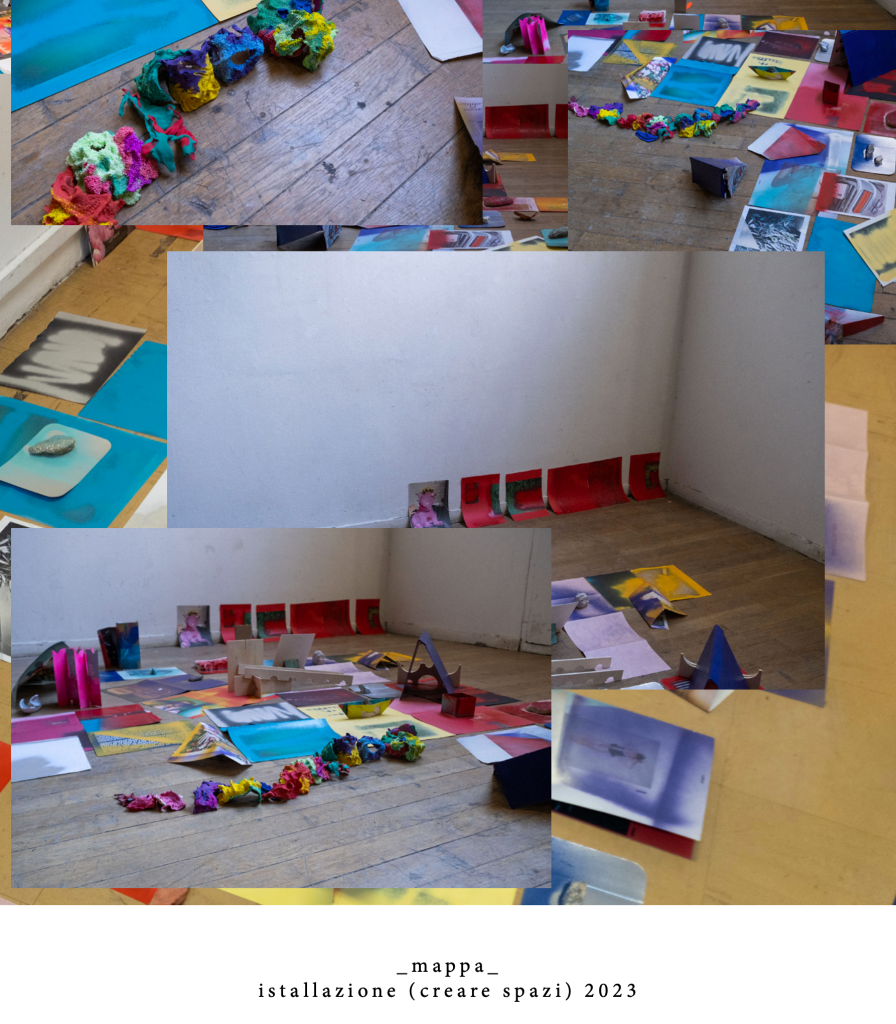

sì, tutto è una mappa.
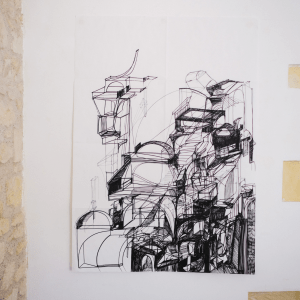
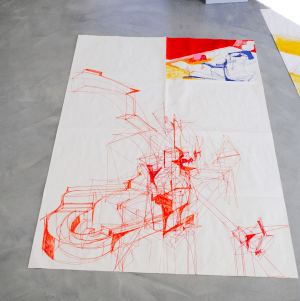
disegni.
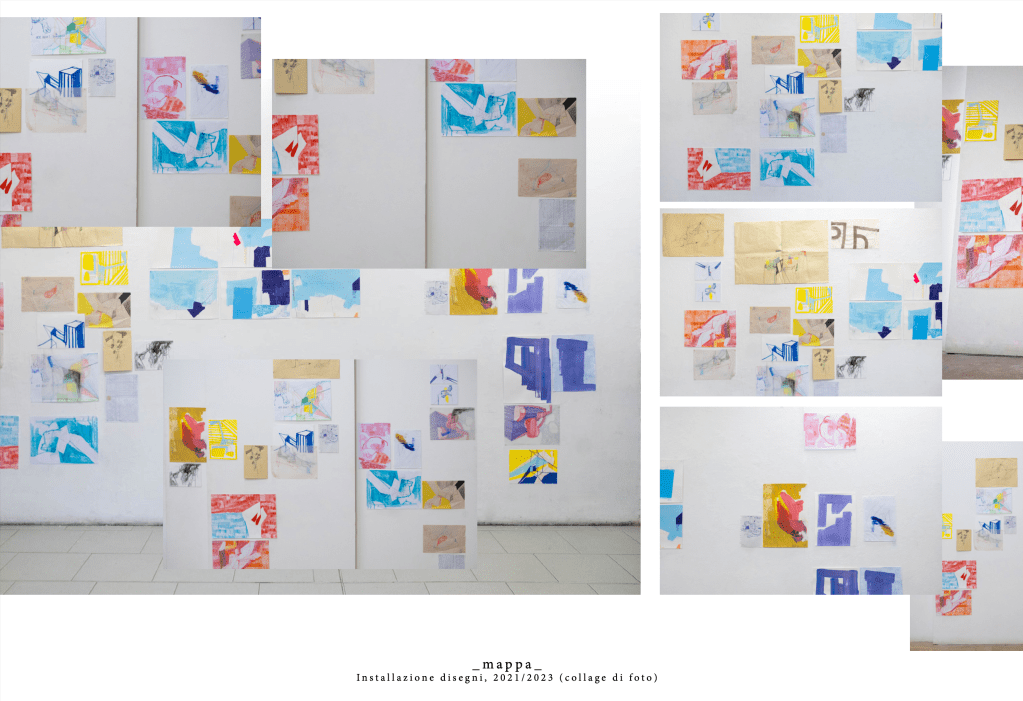
mappa effimera


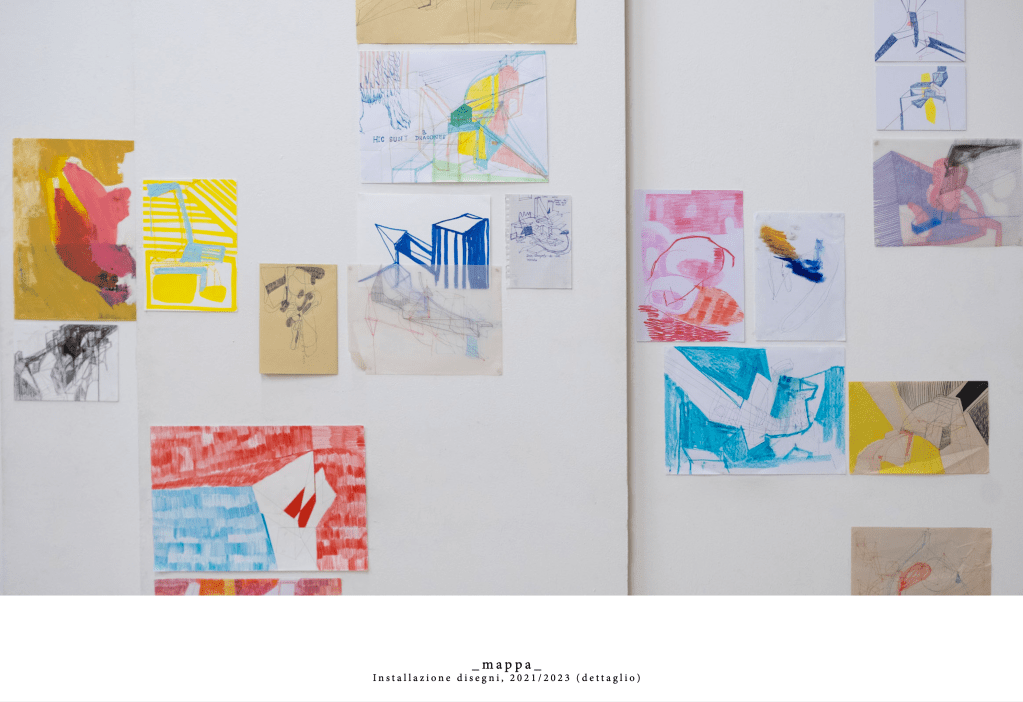
mappa di un posto
pastelli ad olio e matita.
Bio
My educational journey began with a degree in Design in Bogotá (I’m Colombian). In 2013 I moved to Milan to complete a master’s in Photography, and now I’ve returned to academia by enrolling in the three-year Painting program at Accademia di Belle Arti di Brera, which I’m still attending.
Art can’t no longer be divided by technique — I’ll graduate in Painting, yet I make installations, videos, drawings, and photos, sometimes all at once. The latest project I worked on is the one below:
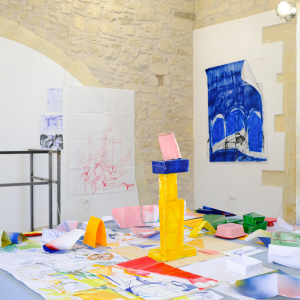
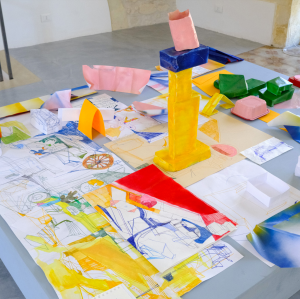
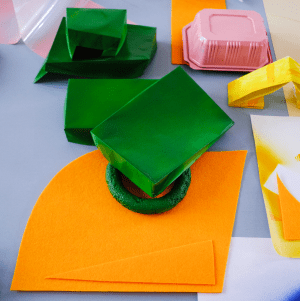
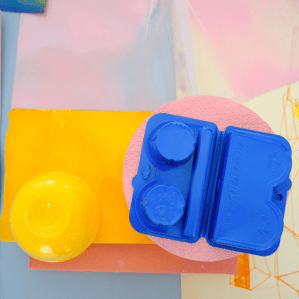
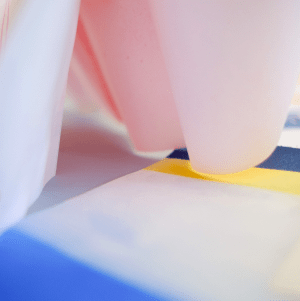
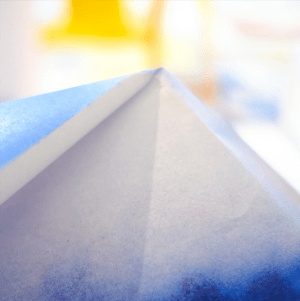
An installation that transforms a classroom: a rope laid across the floor divides and draws the space, creating a new place where thought takes shape in physical form. The objects arranged on the surface also create a place of their own — their volume gives rise [the moment they’re placed there] to a relationship with what was or will be there. I always work with maps, which are my obsession and my starting point for reflecting on what surrounds me, and at the same time a way of escape. The work in progress is time I take to reflect alone and with the viewers, conversations that connect dots and evidence stories we can learn and most of the time we relate with them.
— Which side of the line were you born on? — Lines don’t exist [In the book “Point and Line to Plane,” Kandinsky describes them as a derivative of the point — they are really just points in motion] — They are a social construct. — And many lines are used cruelly.
Maps are fascinating, thrilling, addictive — and as always, anything in excess is harmful. They pull you down to the bottom, but in this case you cross the abyss for the sake of OTHERS, because they are different yet they are people just like us, and as for the lines — if you look out of an airplane window, no one has ever actually seen them.
Lines and Borders
An exploration of border lines. A reflection on the fact that lines “don’t exist” yet they hold a terrible, devastating, and very real power — as real as the rights of the people depending on which side of the line they were born. This reflection is connected to conflict situations such as Gaza, the Kurds, Colombia, the wall between Mexico and the United States, among many others (unfortunately many many others)
Political Act and Collective Vocation:
The work is an act of resistance and self-affirmation.
Everything, absolutely everything, is political, and art cannot be separated from life (mental health, books, academia, nationality, the press…). The intention is to tell stories in order to find connection, transforming personal drama into something that has always been collective.
Privilege
How many lines do you cross without even realizing?
How many people lose their lives unable to cross any?
 carolinaprietoh.